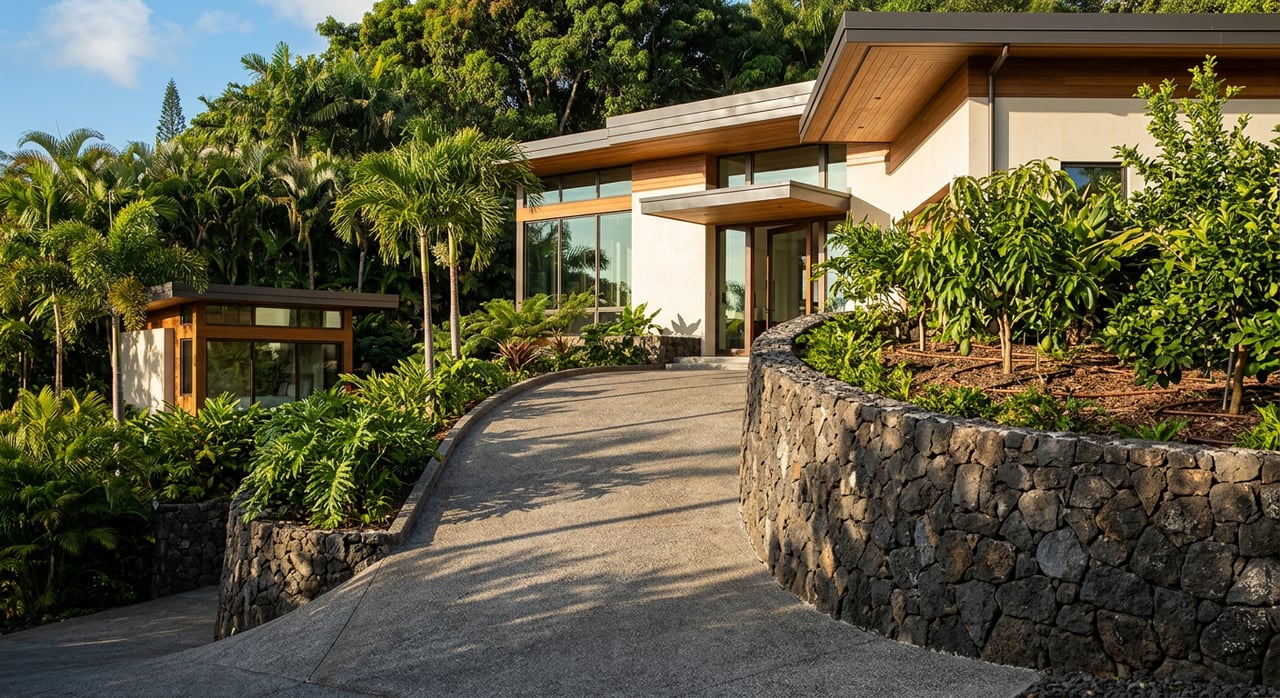
Buying land or a home in Launiupoko can feel exciting and a little overwhelming, especially when you hear terms like Ag zoning and CPR. You want room to breathe, ocean views, and the freedom to build wisely, but you also want to avoid surprises with permits, water meters, or unit rights. This guide simplifies the essentials so you can move forward with confidence, ask the right questions, and protect your plans.
Below you will learn how Maui’s Agricultural District rules apply in Launiupoko, how CPRs affect what you can build or sell, and the due diligence steps that help you verify real building rights. Let’s dive in.
Ag zoning basics in Launiupoko
Launiupoko is largely in Maui County’s Agricultural District. The County sets the detailed rules that control lot standards, setbacks, and what you can build. You can find the district standards in Maui County Code Chapter 19.30A, which includes minimum lot size, lot width, and yard setbacks, along with a cap on total developable area for dwellings. Review the district standards directly in the County code for specifics on what Ag looks like on paper in Maui County’s system. See the Ag district standards here.
Lot size, setbacks, and area caps
A few baseline rules apply across Ag lots in Launiupoko:
- Minimum lot area is 2 acres and minimum lot width is 200 feet.
- Yard setbacks are 25 feet in front and 15 feet on side and rear.
- Maximum building height for dwellings is typically 30 feet, with limited exceptions.
- Total developable area for farm dwellings is capped at 10 percent of the lot area.
The developable area cap is important. In Title 19, developable area refers to the total enclosed living area of dwellings, not agricultural structures. It limits the combined living area for all farm dwellings on the lot. You can review these standards and definitions in the County code. Check the Ag standards and Title 19 definitions.
Two dwellings and accessory rules
Ag lots may have up to two farm dwellings per lot. One of those dwellings must not exceed 1,000 square feet of developable area. These allowances and other accessory agriculture uses are spelled out in the Ag chapter. Review the permitted uses and farm dwelling rules.
Maui also has separate Accessory Dwelling rules in Chapter 19.35 that set size limits based on lot area. On large lots, the accessory dwelling maximum can be up to 1,200 square feet. Because Ag land already limits one farm dwelling to 1,000 square feet, you need to reconcile these two sets of rules on a case-by-case basis. Always confirm which standard applies to your planned unit and get it in writing from Planning. See the accessory dwelling size table.
CPRs explained in plain English
A CPR, or Condominium Property Regime, is a legal structure that creates separately transferable units and shared common elements within one parcel. Think of it as an ownership and governance framework that sits on top of county zoning. A CPR does not change what you can build. County codes still control uses, unit counts, and permits. If you are considering a CPR property, review the recorded declaration, map, bylaws, and any developer public report to understand unit rights and limits. For a clear overview of how CPRs work in Hawaii, see the DCCA’s guide, So You Want To Go Condo?
CPRs and Launiupoko reality
In Launiupoko, it is common to see a CPR used to create a main home unit, a cottage or ohana unit, and sometimes a common element for access or utilities. This can enable separate sales without a full subdivision. Remember that a CPR does not add building rights beyond what the County already allows. The recorded CPR documents and the County code together control what can be built, where it can be sited, and how big it can be.
When you review a CPR, confirm whether the map shows building envelopes, which unit is designated for the main home, and which is for the cottage. Also confirm who maintains private roads and drainage, and whether any limited common elements restrict use areas. The Ag chapter’s farm dwelling rules will still apply to a CPR unit in Launiupoko.
Permits, farm plans, and timing
On Ag land, the County requires either a farm plan or a signed declaration confirming compliance with state and county agricultural standards before issuing a building permit for the first farm dwelling. In practice, permits are often conditioned on an acceptable farm plan or declaration, and the County may require a restrictive covenant. Ask the seller for the parcel’s farm plan and any recorded declaration early in your review. You can read the County’s administrative rules that describe this step. See the certified rule amendments for Chapter 19.30A.
For broader permitting questions, the County’s Planning and Public Works resources and FAQs can help you understand where to request confirmations and records. Start with the County’s FAQs to find the right departments.
Water, wastewater, and utilities
Water can be a critical constraint in West Maui. Confirm who provides water service to the parcel, whether a meter exists, and whether it is transferrable. In Launiupoko, a lot may be served by the County Department of Water Supply or by a private water system such as Launiupoko Water Company. Meter availability and allocation can affect your timeline and even the feasibility of a second dwelling. Some approvals, including farm-labor dwellings, may require proof of agricultural water rates if you are on the County system.
Also check wastewater. Many Ag lots use septic systems rather than County sewer. Confirm septic feasibility or any required upgrades and review recorded easements for water or access.
The Ag chapter is the right reference for permitted uses and related conditions that touch water and accessory uses. See the permitted uses and farm dwelling provisions.
SMA and shoreline checks
If a Launiupoko parcel or proposed building site is in the Special Management Area or within shoreline setback zones, you may need additional permits or assessments. These coastal rules can significantly affect site planning, setbacks, and timing. Before you write an offer, ask Planning to confirm SMA coverage and the shoreline setback line for the specific TMK. For context on Maui’s coastal regulations within environmental reviews, see this chapter on coastal resources and shoreline issues. Read the coastal chapter.
Slope, access, and soils
Launiupoko’s hillside setting brings typical site development items. Many projects will require a current site survey, a geotechnical report, engineered driveway and retaining wall plans, and septic design. Drainage and erosion control are common requirements. Ask for prior geotech and septic reports, and plan for new studies if they are missing. The County’s FAQs can point you to the departments that handle these reviews. Visit the County’s FAQs.
Quick examples to make it real
Example for a 2-acre lot: A 2-acre parcel has 87,120 square feet. The 10 percent developable area cap means up to 8,712 square feet of enclosed living area for farm dwellings in total, subject to other limits. Also remember that one of the two farm dwellings must not exceed 1,000 square feet of developable area. Confirm the Ag standards and permitted uses.
Example for a 5-acre lot: A 5-acre parcel has about 217,800 square feet. The 10 percent cap allows up to 21,780 square feet of enclosed living area for farm dwellings, in aggregate. For an accessory dwelling, Chapter 19.35 uses size tiers. Always reconcile whether your small unit is treated as a farm dwelling under Ag rules or as an accessory dwelling under Chapter 19.35. See the accessory dwelling table.
These are code-based calculations. Actual approvals depend on how the County classifies the dwelling, recorded covenants, any CPR, and parcel-specific conditions.
Step-by-step due diligence
Use this buyer checklist to test a Launiupoko Ag property before you commit:
- Confirm zoning and overlays. Get the TMK, request County Zoning and Flood Confirmation, and ask if the lot is in the SMA or a shoreline setback area. Start with County resources.
- Collect recorded documents. Ask for the CPR map and declaration, bylaws, CC&Rs, road agreements, and a preliminary title report with all easements. If a developer public report exists, review it. The DCCA’s guide helps you understand these documents. See the DCCA CPR overview.
- Pull permit history. Review MAPPS and Planning records for prior permits, conditions, or denials, and request the farm plan or declaration on file. Find County departments via FAQs.
- Verify water and wastewater. Confirm the provider, meter status, and any agricultural water rate registration. Check septic feasibility or County sewer availability and capacity. Review Ag permitted uses and conditions.
- Order technical reviews. Arrange geotechnical, driveway, and septic evaluations, along with a wildfire exposure and insurance check. These can impact both design and schedule. See County FAQs.
- Align CPR and County rights. If the property is CPR’d, have counsel and your title company confirm the unit’s building rights and limited common elements. Make sure your lender will finance the CPR unit. Use the DCCA CPR guide.
- Check subdivision limits. Maui’s Ag code controls how many lots or dwelling rights can come from a parent parcel. If the County has recorded a maximum permitted lots allocation, you cannot create more than what is recorded. Review subdivision and district standards.
Special cases to flag
- B&Bs and short-term rentals: In the Ag district, these are conditional and include specific requirements. Some allowances may exclude CPR’d lots, and some require an implemented farm plan. Always verify with Planning for the specific TMK. See the Ag chapter on permitted uses.
- Agricultural parks and leases: Separate provisions apply to private agricultural parks and to agricultural leases, which generally do not allow dwellings in the leased area unless an exception applies. If you see these in the title report, review the code section. Read the agricultural park and lease provisions.
Your next step in Launiupoko
Buying in Launiupoko’s Ag district can be smooth when you verify zoning, CPR rights, water, and permits early. With the right plan, you can protect timelines, avoid redesigns, and move forward with a home or cottage that fits the code and your lifestyle.
If you are weighing a Launiupoko purchase, we are here to help you review documents, coordinate local due diligence, and keep your plans aligned with County rules. Reach out to Mark Marchello to talk through your goals and get a clear path forward.
FAQs
What does Ag zoning in Launiupoko allow?
- Maui’s Ag district allows agricultural uses and up to two farm dwellings per lot, with one limited to 1,000 square feet of developable area, plus setbacks and a 10 percent developable area cap for dwellings as outlined in Chapter 19.30A.
How does the 10 percent cap affect my design?
- The 10 percent cap limits the total enclosed living area for all farm dwellings on the lot, so you must add up the square footage of all enclosed living spaces and keep it within that figure based on your lot size.
Is a Launiupoko CPR unit automatically buildable?
- No. A CPR is an ownership structure, not a zoning change, so you still need County approvals, water, septic or sewer feasibility, and compliance with setbacks and any SMA or shoreline rules.
Do accessory dwelling rules increase my cottage size?
- Not automatically. Chapter 19.35 sets accessory dwelling maxima, but the Ag chapter still limits one farm dwelling to 1,000 square feet, so you need to confirm which standard applies to your planned unit with the County.
Do I need a farm plan before building?
- Yes, for the first farm dwelling on Ag land the County requires a farm plan or declaration confirming compliance, and permits are typically conditioned on it being in place.
Can I run a short-term rental on Ag land in Launiupoko?
- Possibly, but it is conditional and may exclude CPR’d lots or require an implemented farm plan, so you should verify the exact path and requirements with Planning for your specific TMK.